Check Engine Light Diagnostic in The Woodlands, TX
Decoding Your Vehicle’s Warning Lights
Why Early Engine Diagnostics Can Save You Money
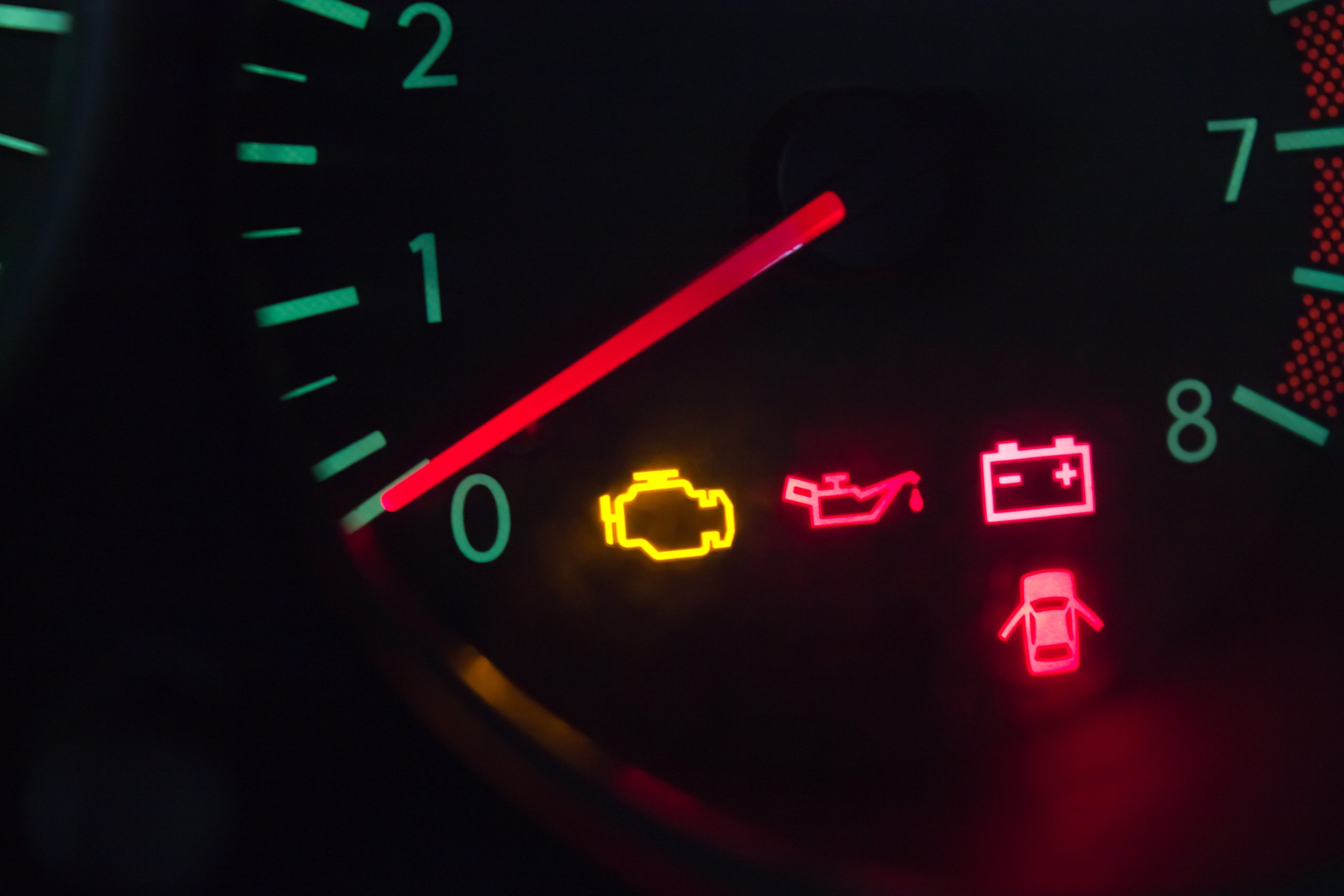
When that amber glow appears on your dashboard, it is easy to hope it will go away on its own. At Lighthouse Automotive Woodlands, we hear this from drivers throughout Spring and The Woodlands every week, and the truth is, the check engine light exists for a reason. Your vehicle’s engine control module (ECM) continuously monitors dozens of systems and sensors, and when something falls outside acceptable parameters, it stores a diagnostic trouble code (DTC) and triggers the malfunction indicator lamp. The concern is that a single illuminated light can mean anything from a loose gas cap to a failing catalytic converter, and there’s no way to know without a proper check engine light diagnostic. Ignoring the light doesn’t make the underlying issue disappear; in many cases, it lets a manageable repair become a much more expensive one. If your light is flashing rather than staying steady, that is a more urgent signal, typically indicating an active misfire that can damage your catalytic converter quickly. Whether your light just came on or has been on for weeks, the right first step is always a professional diagnosis.
How a Professional Check Engine Light Scan Works
A common misconception is that plugging in an OBD-II scanner and reading a code tells a technician exactly what part to replace. A diagnostic trouble code is a starting point, not a conclusion. When you bring your vehicle to Lighthouse Automotive Woodlands at 2101 Buckthorne Pl, The Woodlands, TX 77380, our ASE-certified technicians connect professional-grade diagnostic equipment to your vehicle’s OBD-II port to retrieve any stored or pending codes. From there, the real diagnostic work begins. A code pointing to an oxygen sensor, for example, could indicate a faulty sensor itself, a wiring issue, an exhaust leak, or a problem with a related fuel system component. Our technicians perform engine performance testing and live data analysis to verify the root cause before recommending any repair. This process may include inspecting the mass airflow sensor, evaluating fuel system components, testing engine sensors under operating conditions, and reviewing freeze frame data captured when the fault occurred. The goal is always an accurate diagnosis, so the repair we recommend resolves the problem, not just clears a code and hopes for the best.
Signs Your Vehicle Needs an Engine Light Diagnostic
Beyond the illuminated warning light itself, your vehicle will often give you additional clues that something needs attention. Poor engine performance, such as hesitation during acceleration, rough idling, or a noticeable drop in fuel economy, frequently accompanies an active fault. If your vehicle recently failed an emissions test, it almost certainly has a stored emissions-system code that needs diagnosis and repair before you can pass inspection. A check engine light that comes on alongside any of these symptoms warrants prompt attention, because multiple warning signs together suggest the ECM has detected a real operational problem rather than a minor sensor glitch. At Lighthouse Automotive Woodlands, we also offer emissions system diagnosis and fuel system service to address the most common underlying causes of engine warning light troubleshooting. Once repairs are complete, our technicians clear the code and verify the repair through a drive cycle to confirm the system has returned to normal operation. You can schedule your appointment online or call us at (281) 296-8884.
Frequently Asked Questions About Check Engine Light Diagnostics